
Austin
George Austin is recorded as a cabinetmaker at 7 St Andrew Street, Dublin, in 1827, although the business may have been established earlier. His premises, situated close to Wicklow Street, specialised in dressing cases, portable writing desks, workboxes and other articles of ornamental cabinetwork.
The business expanded during the following decades, with George's son, Thomas Austin, becoming involved in its manufacture and management. In 1844, Austin received a silver medal at the Royal Dublin Society's exhibition of Irish manufactures. Three years later, George Austin was appointed cabinetmaker to Lord Clarendon, the Lord Lieutenant of Ireland, establishing the firm's association with the Viceregal Court.
By 1850, the business occupied 6 and 7 St Andrew Street, together with additional cabinet showrooms at 9 William Street. The enlarged establishment produced a wide range of dressing cases, writing desks, workboxes and other fitted cases.
At the Great Exhibition of 1851 in London, George Austin exhibited an extensive collection of his work, including ladies' and gentlemen's dressing cases made from Irish bog yew, with silver fittings described as originating from mines in County Wicklow. His exhibits also included coromandel writing desks, one decorated with hunting scenes and another inlaid with brass, mother-of-pearl and coloured shells. Further examples included writing boxes, despatch boxes and portable dressing cases, some covered in Russia and Morocco leather.
Austin received an Honourable Mention for his ladies' and gentlemen's dressing cases and coromandel writing desks. The exhibition jury described the writing desks as "more remarkable for the goodness of the workmanship than for any excellence in the ornaments".
The firm continued to exhibit its work at several important exhibitions. At the National Exhibition held in Cork in 1852, Austin displayed dressing cases and writing desks, followed by the Great Industrial Exhibition in Dublin in 1853, where his exhibits included silver-mounted dressing cases, writing desks, workboxes, despatch boxes and travelling cases. In 1855, he exhibited dressing cases at the Paris Exposition Universelle.
George Austin's second son, George Austin junior, joined the family business in 1857. By this time, the establishment was trading as Austin's Dressing Case & Dispatch Box Manufactory, at 6 and 7 St Andrew Street.
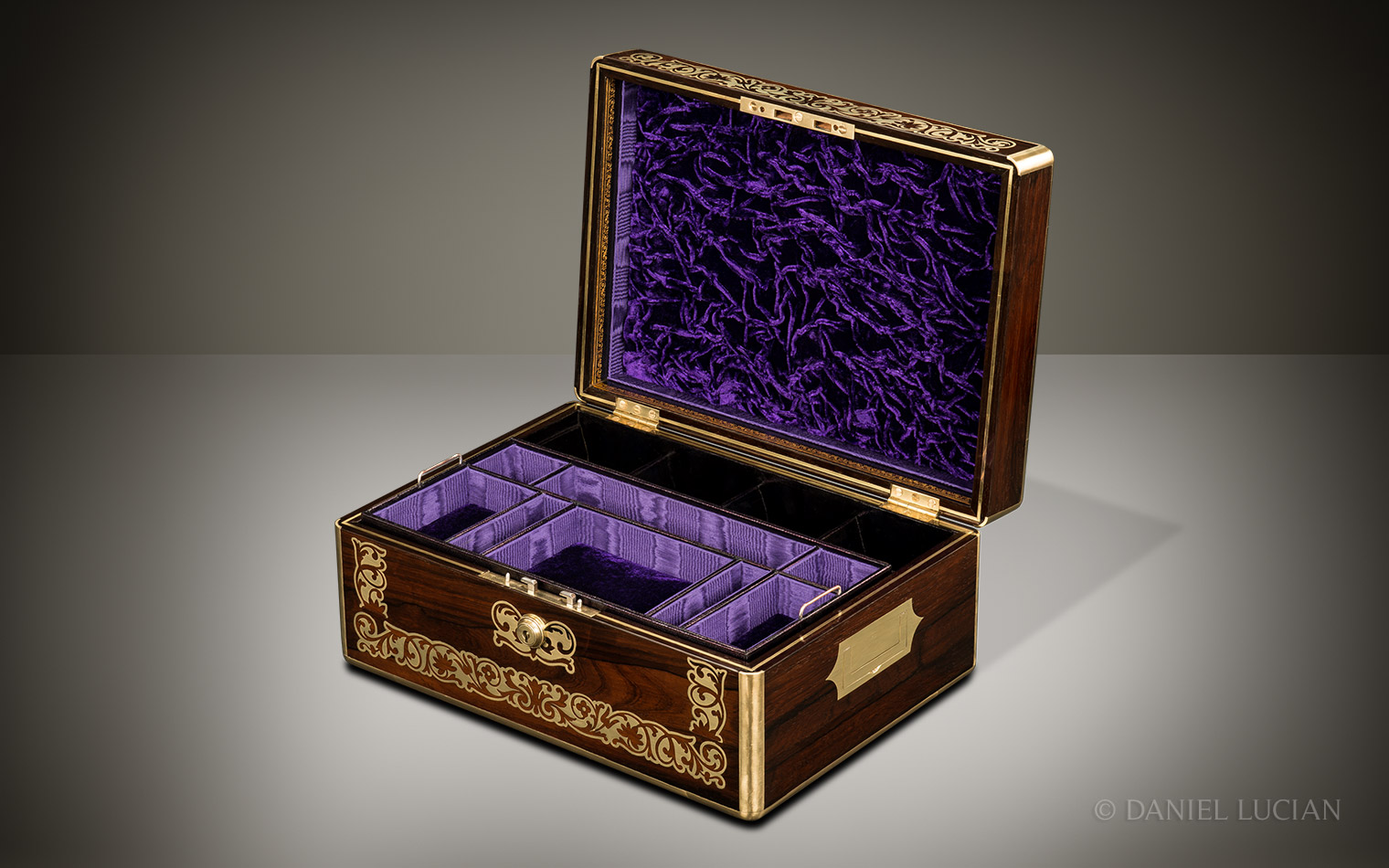
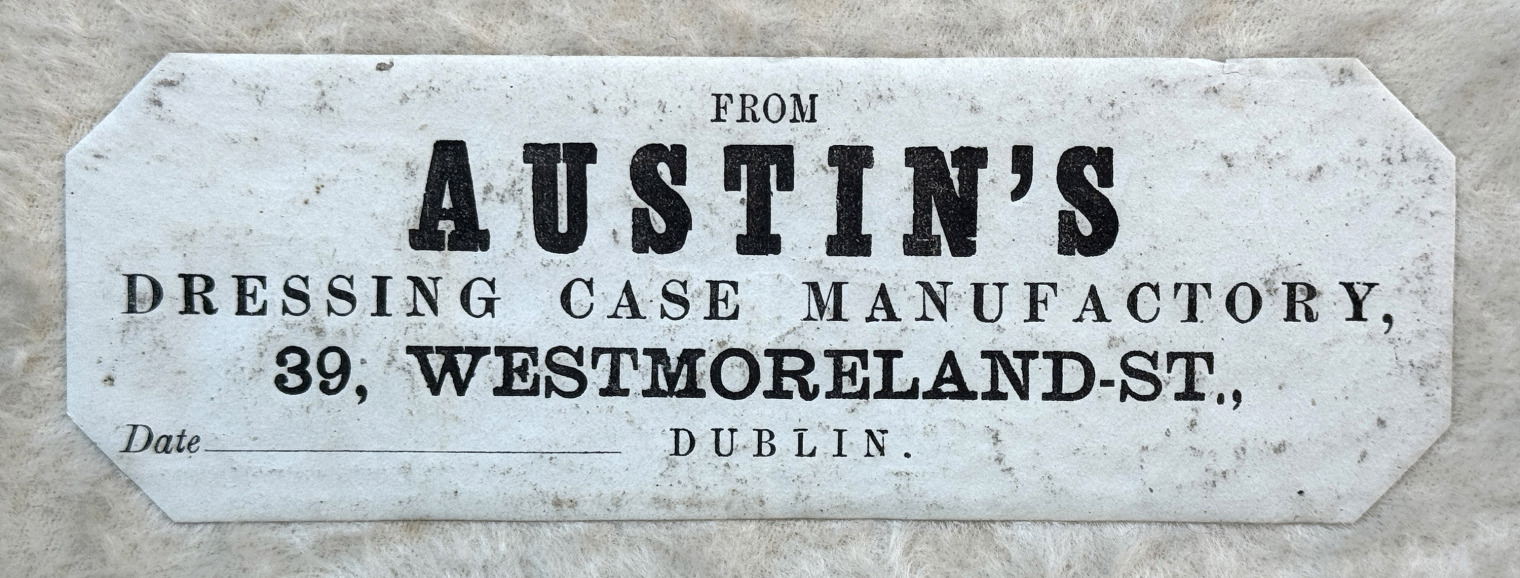
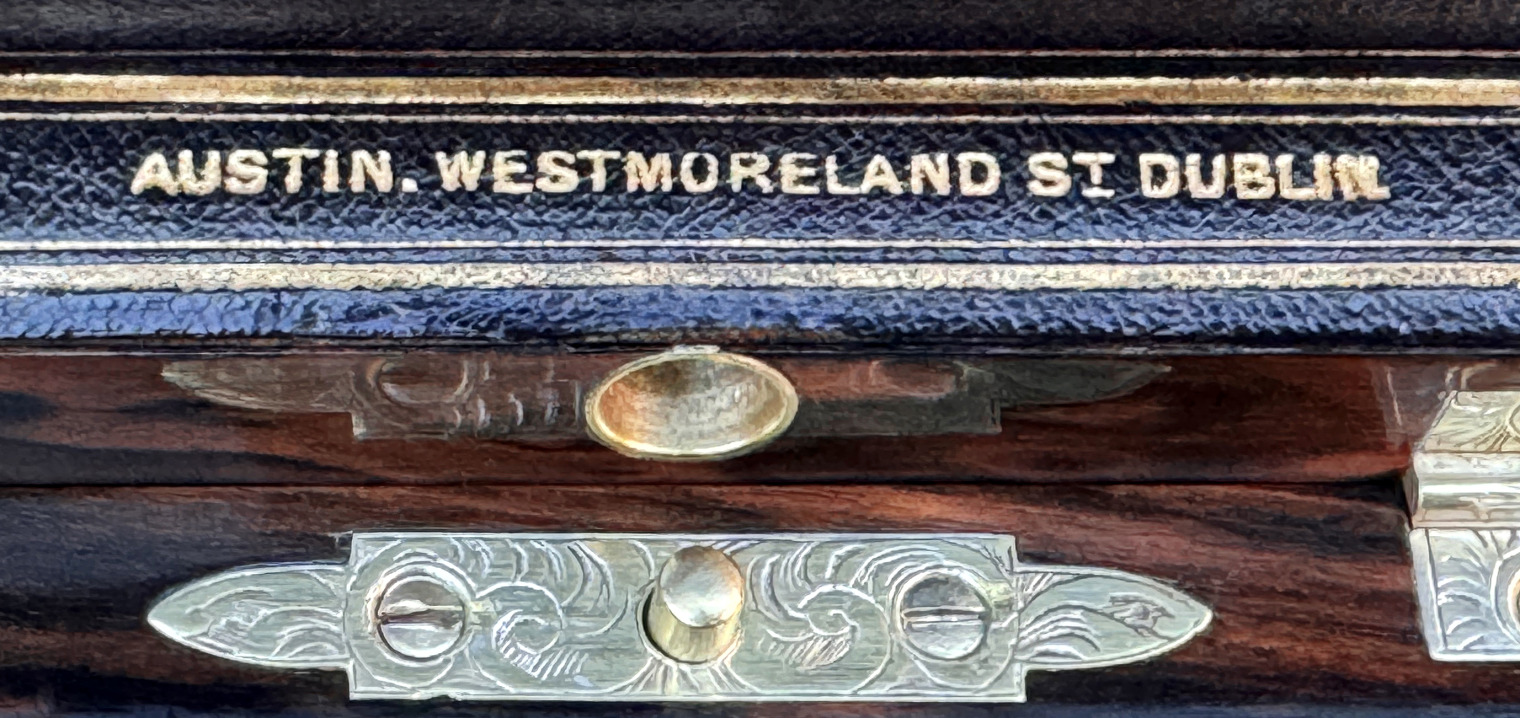
Around 1860, the business relocated to larger premises at 39 Westmoreland Street. By 1862, the firm was trading as Thomas and George Austin, manufacturers of dressing cases and despatch boxes to the Viceregal Court, while also operating as cutlers, stationers and importers of French and foreign fancy goods. An additional fancy-goods warehouse was occupied at 3 College Street.
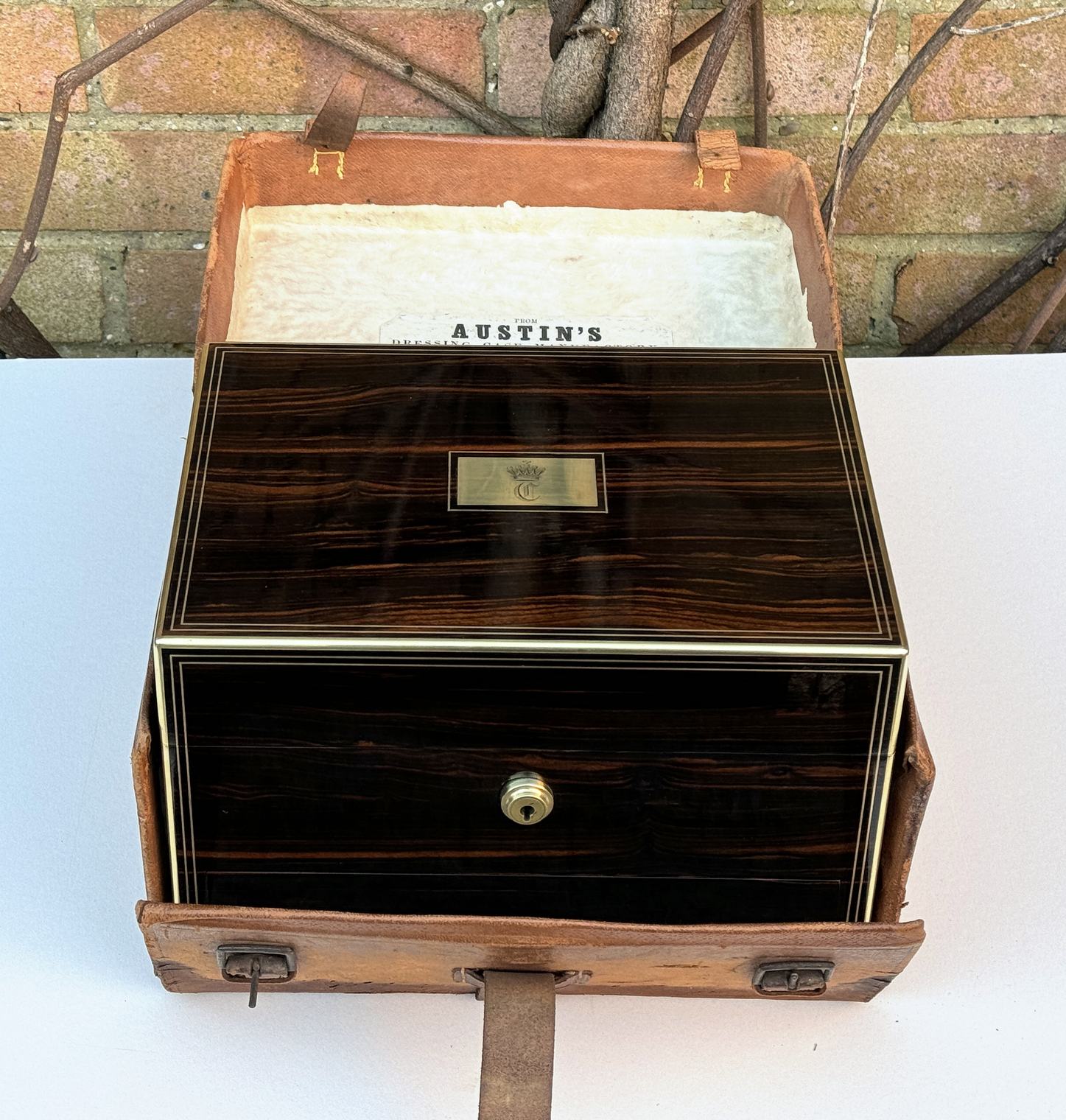
Under the name T. & G. Austin, the business continued to participate in international exhibitions. At the London International Exhibition of 1862, the firm exhibited dressing cases, despatch boxes and carriage bags. Three years later, it exhibited dressing cases at the Dublin International Exhibition of 1865.
In 1866, the partnership between Thomas Kingston Austin and George Austin junior was dissolved, with George junior subsequently pursuing a career in auctioneering. Following George Austin senior's death in 1868, the business continued under Thomas Kingston Austin, subsequently trading as T. K. Austin & Co., before becoming Austin & Co. Ltd during the 1880s.
By this period, the company occupied 38 and 39 Westmoreland Street, offering jewellery, silverware, decorative accessories and imported luxury goods alongside its traditional fitted cases.
Austin & Co. entered voluntary liquidation in 1891.